“Julie – So when someone asks what LandWorks does, what do you tell them?
John – We are a supported route back into the community for people that are either currently in prison, at risk of going to prison, or some way involved within the Criminal Justice System.
Rose – I think this question is quite hard to answer because there’s so much we do do, and when I tell people what we do I basically say we’re a supported route back into the community, we help people that have just been released from prison … kind of like a halfway house between prison and real life, in commas. Yeah, that’s kind of what I say.
Bob – I think we just give people a taste of a working environment in a non-judgemental atmosphere. Well yeah, it’s a safe place to come and taste life as I think it should be. Yeah, what John and Rose said is still valid, but I like to think it’s just a little bit more outside of the normal NHS support route. It’s something unique, it’s different. Like I said, the most important thing is it’s non-judgemental and it’s a taste of how life should be, I think.
Lara – So I kind of … compared to my previous role, I think when I explain LandWorks it is a great unique project that provides the listening ear, the care, consideration, you know, and without that hierarchy of judgemental aspect to anything. People that come here are taken at complete face value and I always say that it’s such a unique place to work, which makes my job enjoyable. I do like the non-hierarchy element to it, and it really works and it shows, you know, when we’re working with trainees. It’s hard to put into a few short words when you’re explaining that to someone outside, but it is a complete unique project in that respect.
Nanda – I tend to go on a bit of a waffle because there’s a lot to it. So I’m usually like oh yeah, it’s a charity and it helps to rehabilitate people who have just come out of prison and that it’s quite a holistic thing and it’s not just coming in and doing one thing, one enterprise, and then hoping to take that into your life, but it actually like helps people out with so many different elements of their life, like housing and whatever else they might need. I tend to always mention the unconditional positive regard because I think that’s like a unique and special part of it, which I think really helps it stand out and make a real positive difference to people. Yeah.
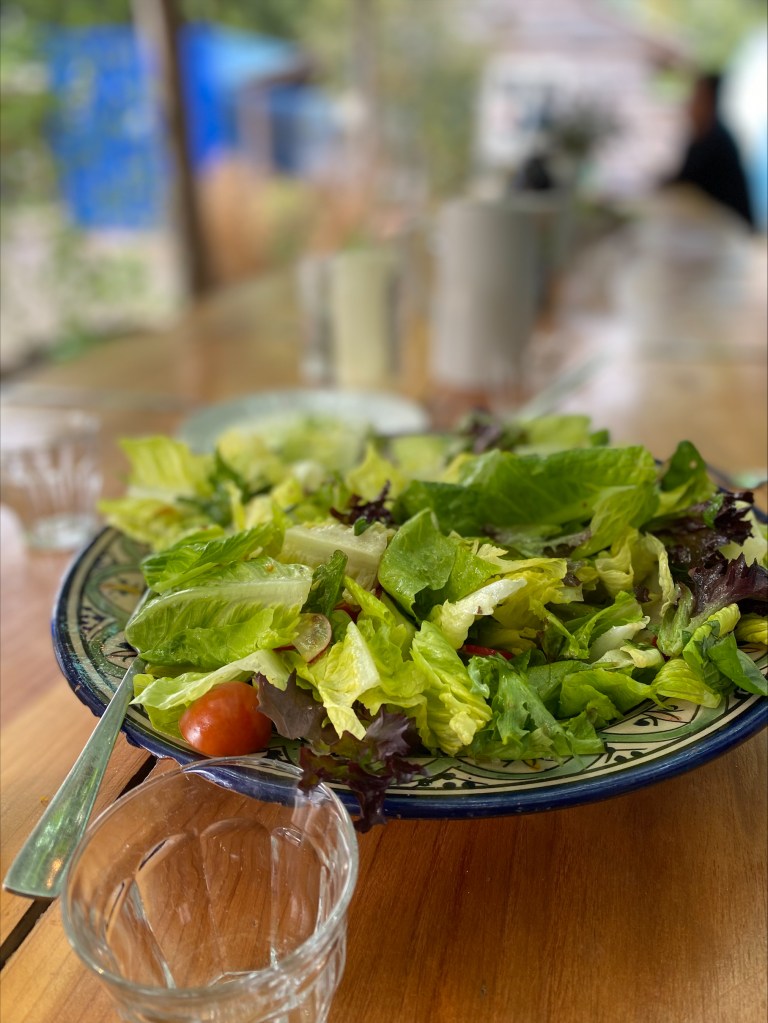
Hazel – I think the unconditional thing is really, really significant and I also think it’s how … generally it depends on what each person on placement needs and I feel that we really can give the time and the listening and the support, which I think is really, really, really rare in lots of situations like this and I think that’s really significant, and just that we’re kind and people sometimes say oh, you’re all just so kind. It’s sort of a few simple things … it’s not a simple thing, but just showing them … and how … I’m sure we’ll get onto this … we all eat together, we all … just a lot of it is just normal stuff that I feel that lots of people on placement have not had the … it shouldn’t be a privilege but haven’t had in their lives. Yeah, so it’s sort of unconditional and just kindness and belief and acceptance.
John – I’m gonna add this bit in, but I think, for me personally, what makes LandWorks quite special is that we are not government or NHS funded, we’re independently funded which means we can do our own thing, and we can treat everybody as an individual. We don’t box-tick, and that, I believe, takes us away from being just a normal social enterprise, which is not necessarily a bad thing, but it makes us stand out from those average social enterprises.
Margie – Yeah, I think there is something about like being alongside somebody on their journey as well, and I think when I’m describing to people what LandWorks is, then I sort of want to convey the level of barriers that people face when they’re sort of on that Criminal Justice path. I think so often … there’s so much bureaucracy and there’s so limited services and sometimes you can just feel very, very alone and like there’s a lot of stigma from outside and like I think just coming … yeah, coming in and being met with those sorts of values and having people just … yeah, to be alongside you on that journey is so huge for people. We like don’t have all the answers or anything like that, but just being human has a huge impact.
Julie – I ask that question to all the guys when I interview them for the PeN project, and I appreciate it is a hard question to answer, I think as well, from both sides. I know what you said at the beginning, that’s sort of like the LandWorks strapline isn’t it? You know, what LandWorks is, but what it does is really what you guys bring with you and what you do on a day-to-day basis, I think. Ok. So, thanks for that. When you see a trainee really begin to change, what seems to be making the difference?
Rose – It’s almost like sometimes they don’t believe that we wanna support … and like Hazel said, people think we’re too kind, and it almost takes a bit of time for them to think oh ok, you do actually wanna support me, and then when that trust is built I feel like that’s when we start to see changes, that’s when they wanna come out more and they start opening up a little bit about themselves. So I think, for me, that’s what I see.
Hazel – I’m pretty much the same. Yeah, that realisation that we are here for the long haul, you know, for them, and yeah, you know, we’ll stand by them and that it’s not always a straight easy road. Yeah, it’s a holistic sort of approach.
Bob – I think it’s just treating people like a human and that takes them time to realise that … you know, it’s all the other things as well … it’s being genuine, but that approach, I think, is huge. It takes people a little bit of time to realise, but we just treat people how everybody should be treated. When trainees realise that that’s genuine, then they start opening up and they begin to trust and that’s when everything changes, I think.
Nanda – It’s hard to say with only being here for six weeks, but what I have heard from new people is ‘I’m not used to people being nice to me’. So yeah, I think that takes a little while for them to trust that. Yeah, so obviously it has a big impact. Also, I think, there’s a lot to be said for the consistency that’s provided here. Like people come and maybe they feel like they’ve like done something wrong, you know, are not quite there, but then they come back and it’s the same and everybody’s still regarding them well and still … like yay, you’re still here, we’re really pleased to see you. It’s like yeah, I don’t know if people have necessarily had that consistency and stability in their lives and I think that’s quite a major thing.”
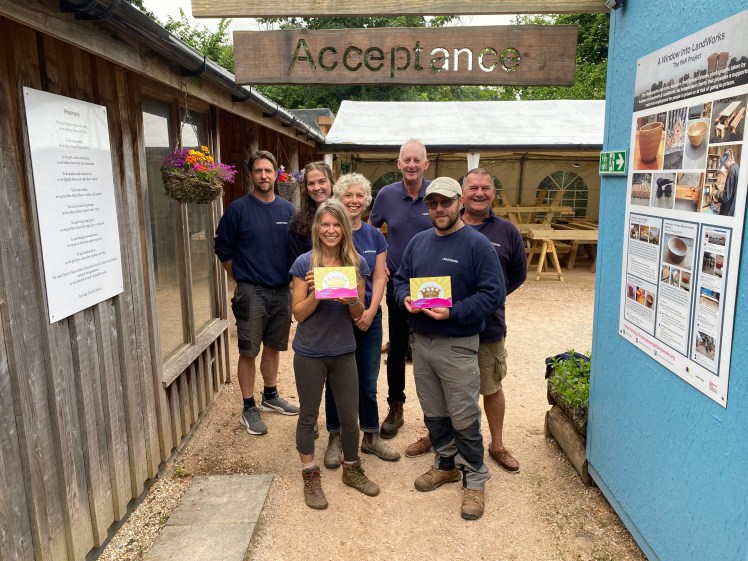
This is an excerpt from a LandWorks staff focus group held last month exploring the LandWorks model and how it works.

